Newar Valley — Nepal Grandeur (5 Nights), Winters 25-26
Best for
Culture Seekers, Photographers
Duration
5 Nights / 6 Days
Season
October–March
Difficulty
Easy
Vibe
Scenic, Himalayan
Newar Valley
5 Nights / 6 Days, 3 cities, From ₹27,830
per person, twin sharing
A Tibro Journey
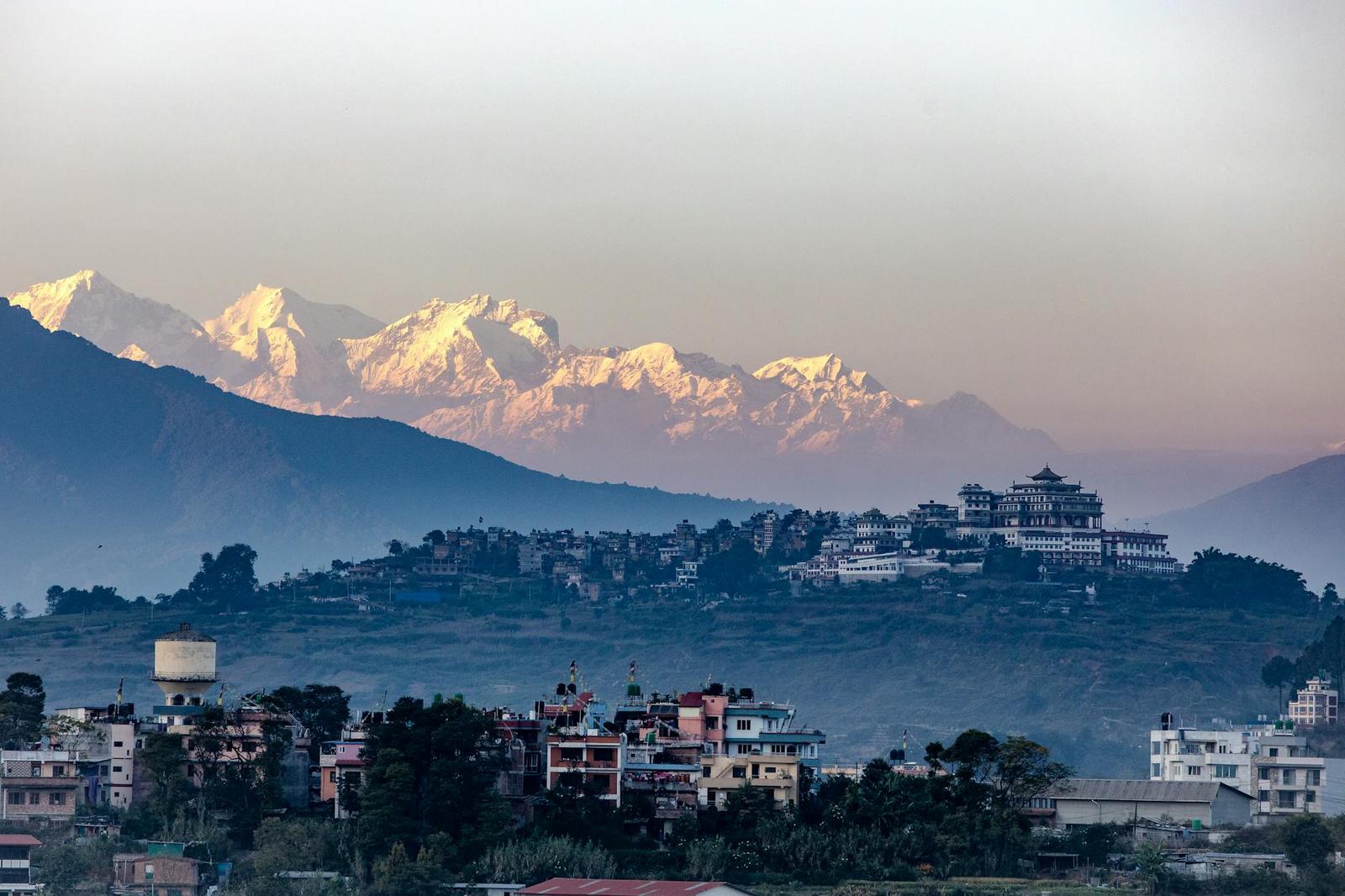
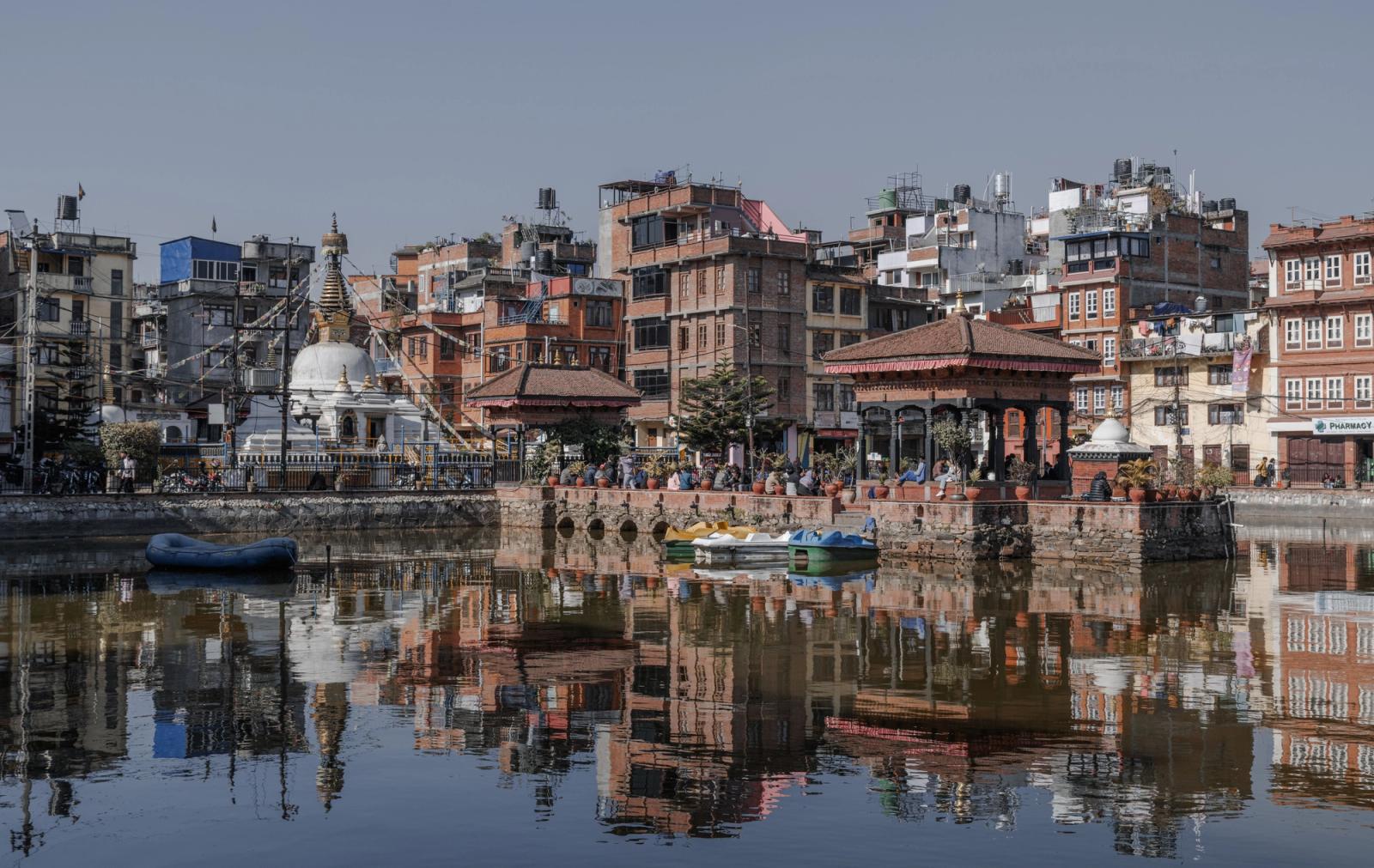
Five nights in Nepal. Kathmandu's old bazaar, Patan's brass-workers still hammering in the Durbar Square courtyards, then Pokhara's lake with the fishtail peak above it.
Nepal Grandeur (5 Nights). Winters 25-26 — a scenic journey through Kathmandu, Patan, Pokhara. 5 nights / 6 days with private transport, hand-selected hotels, and a dedicated Tibro travel designer at every step.
Signature Moments
Three Mornings You'll Remember
No. 01
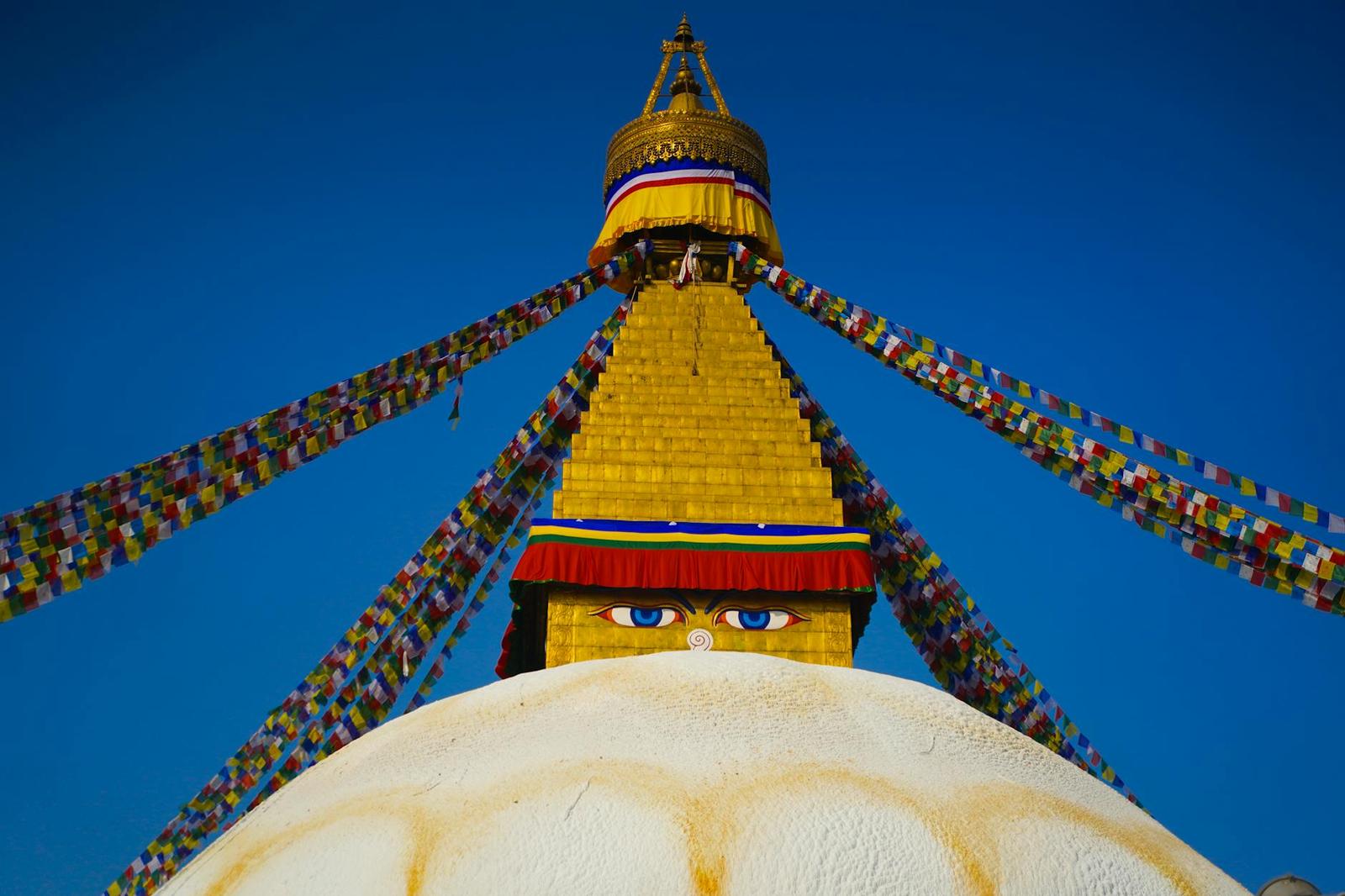
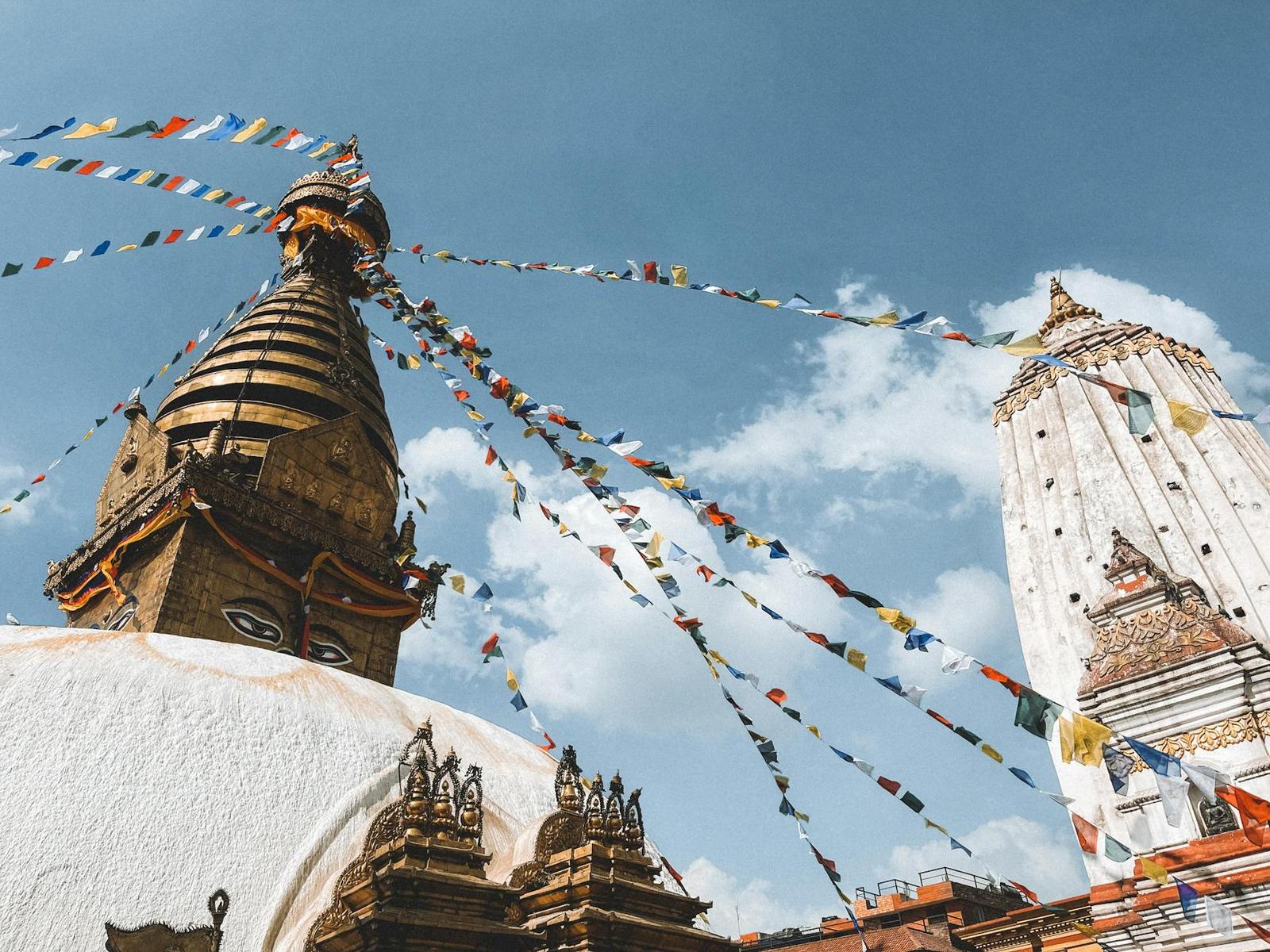
Bouddhanath Stupa
The world's largest Buddhist stupa. A living pilgrimage site.
No. 02
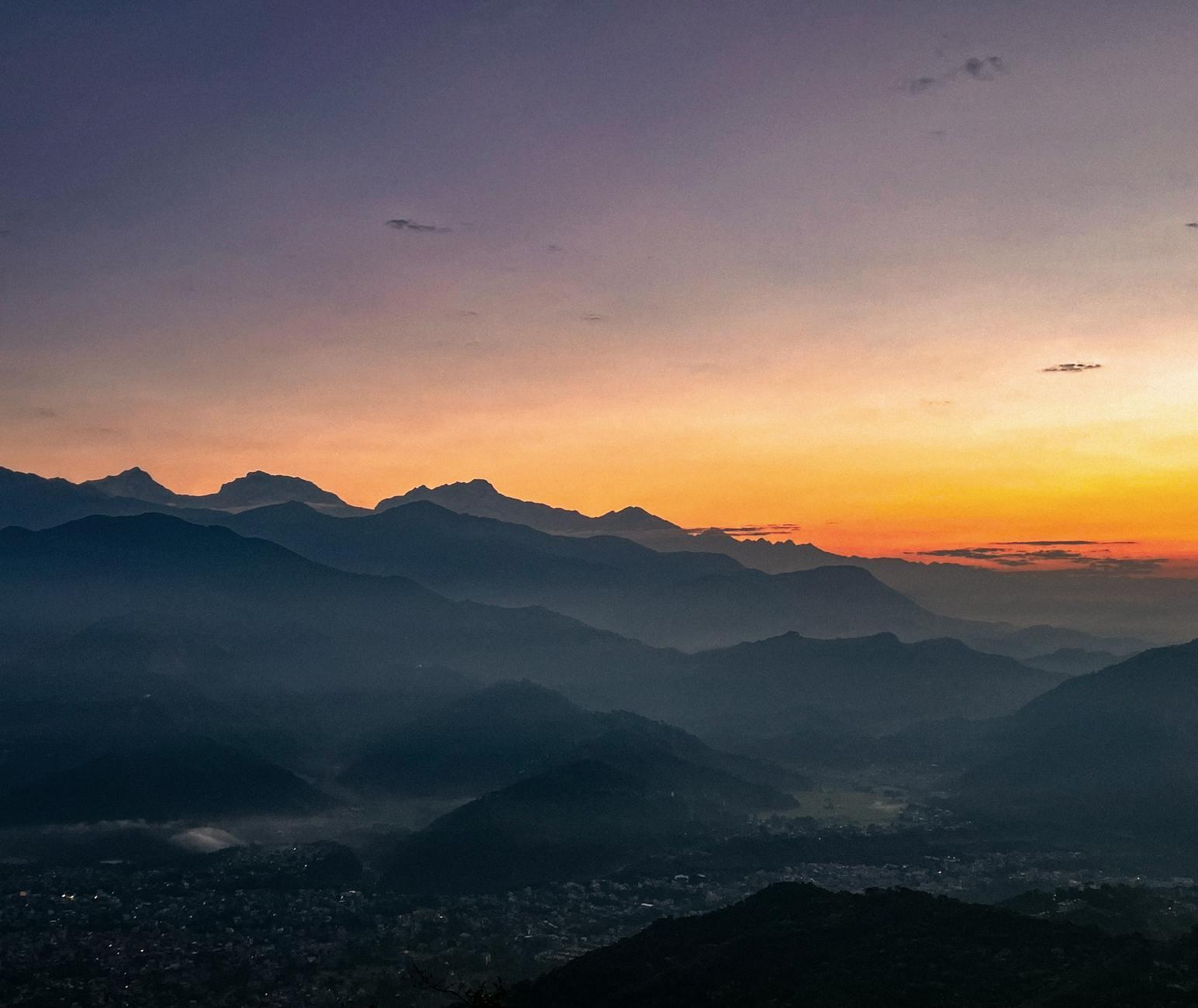
Sarangkot Sunrise
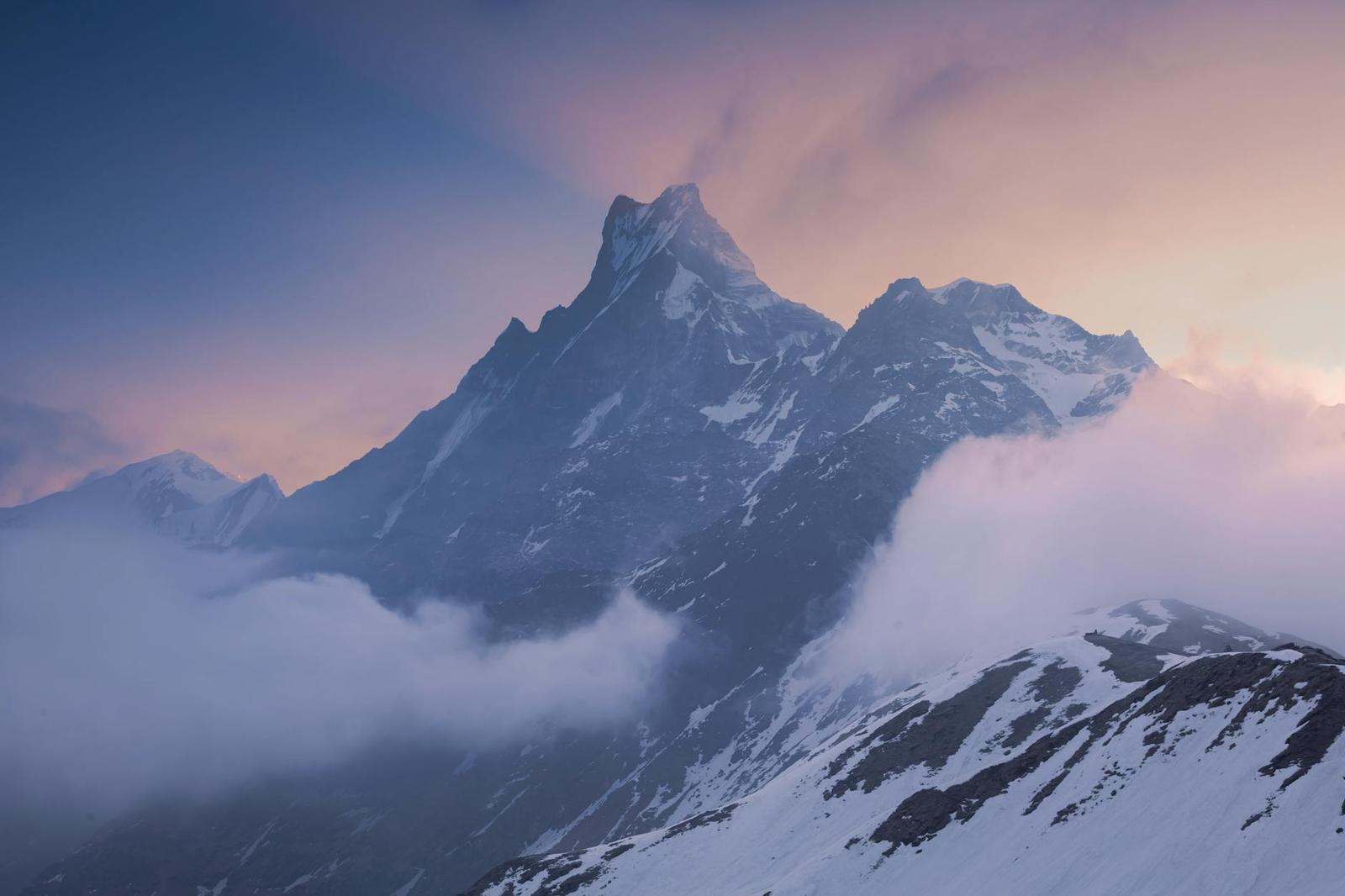
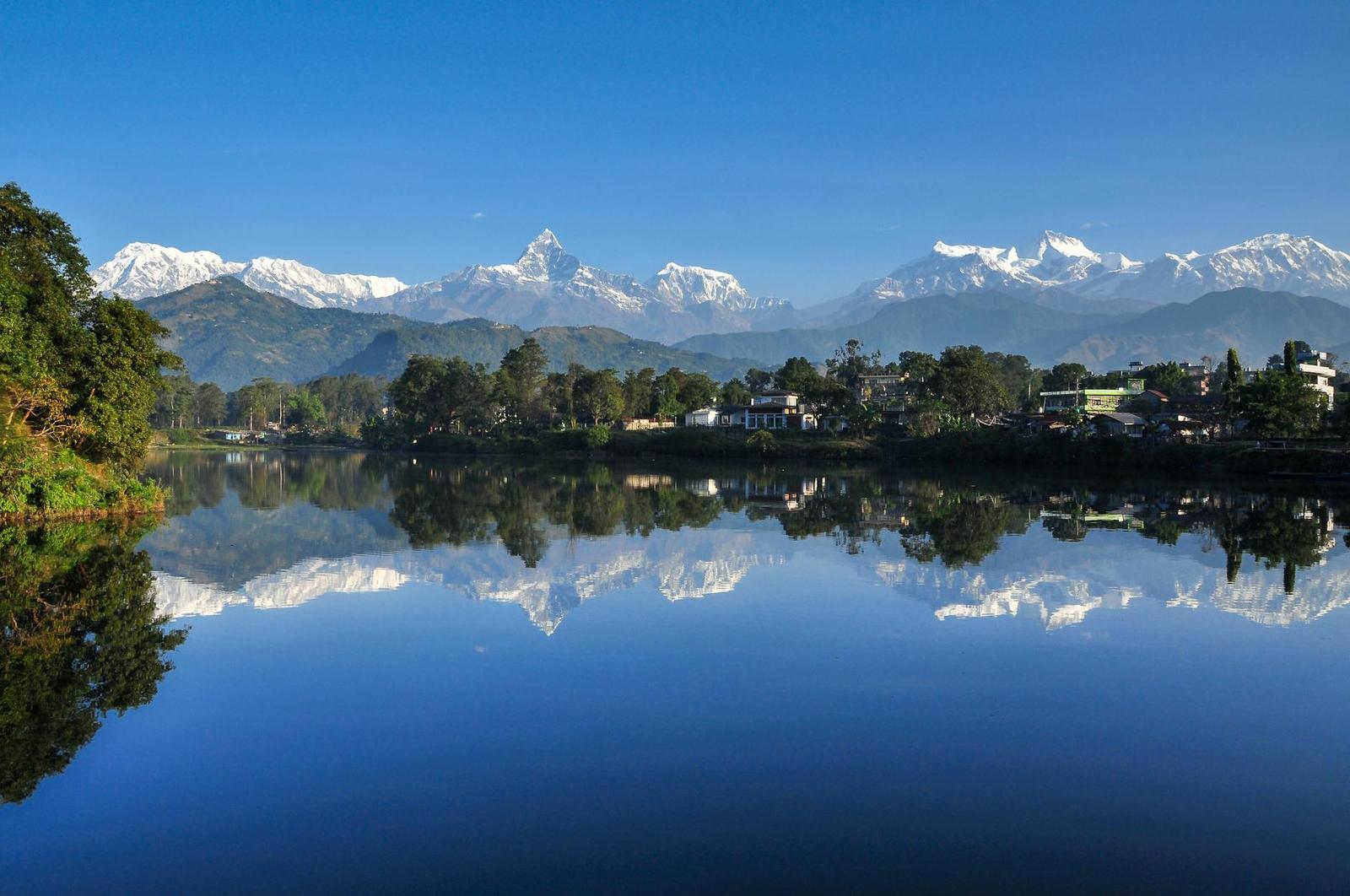
Watch the first light turn Machapuchare pink above Pokhara.
No. 03
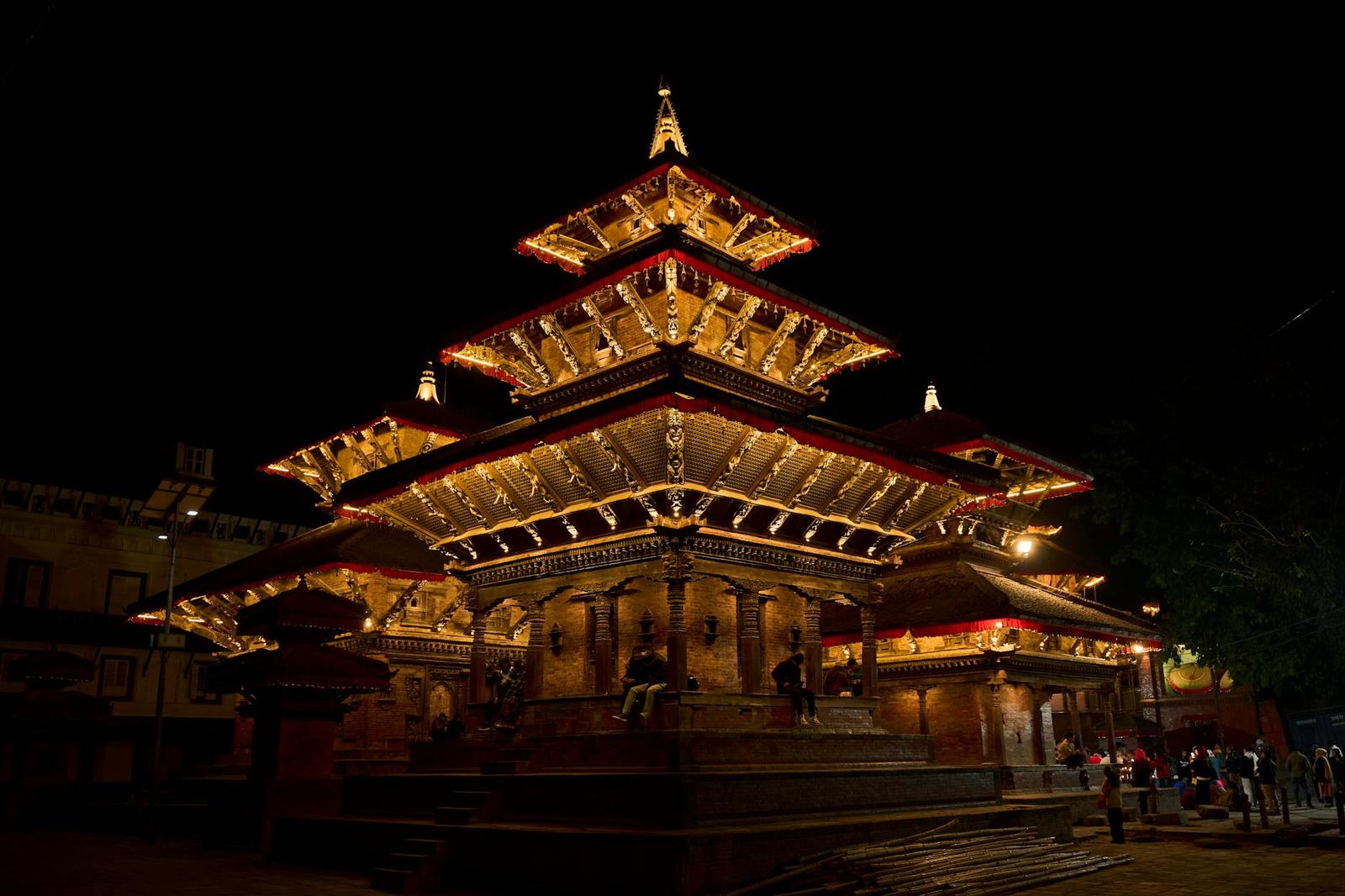
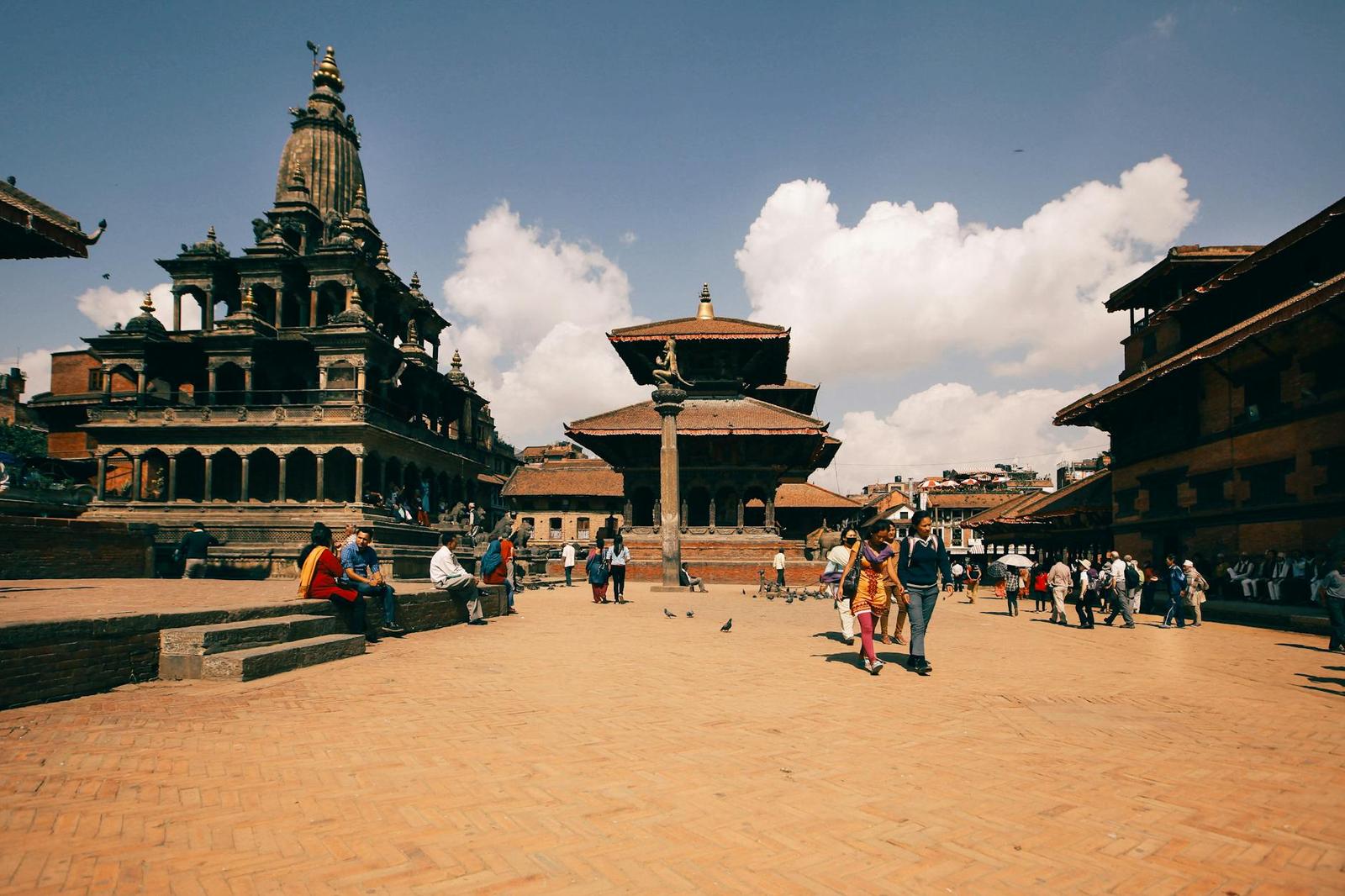
Patan Durbar Square
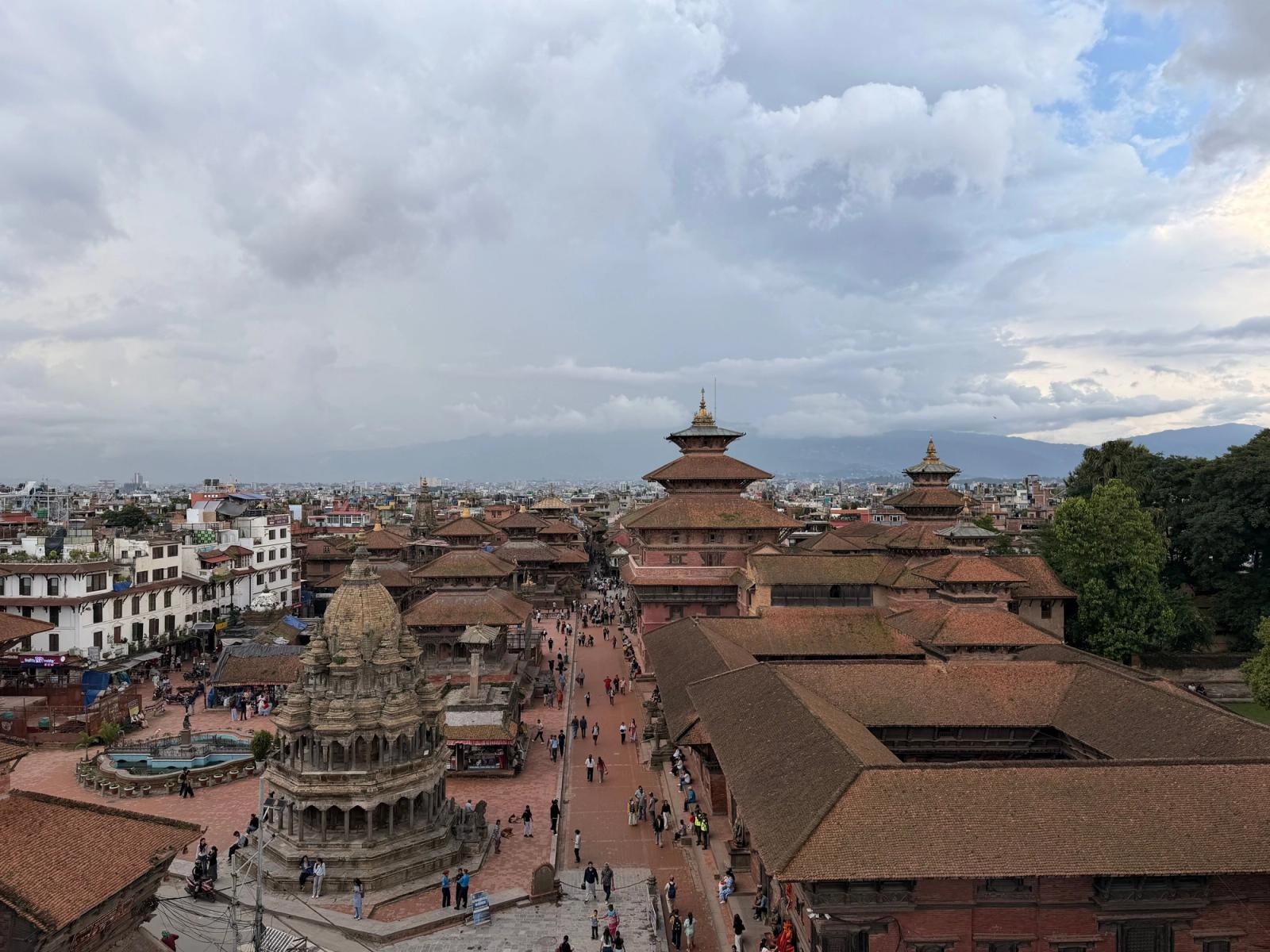
The finest concentration of medieval Newari architecture on earth.
No. 01
Bouddhanath Stupa
The world's largest Buddhist stupa. A living pilgrimage site.
No. 02
Sarangkot Sunrise
Watch the first light turn Machapuchare pink above Pokhara.
No. 03
Patan Durbar Square
The finest concentration of medieval Newari architecture on earth.
Day by Day
5 Nights / 6 Days, in order
Day 1
Arrival in Kathmandu
Meeting at airport upon arrival by Office Personnel. Transfer to hotel. Kathmandu is the capital of Nepal and the Kathmandu Valley is the political and cultural heart of the Kingdom. The urban sprawl that makes up modern Kathmandu is in fact two cities, Patan and Kathmandu. In evening you may take a leisurely stroll to explore the area around and vibe of the city. Dinner and overnight at hotel.
Day 2
Kathmandu Sightseeing
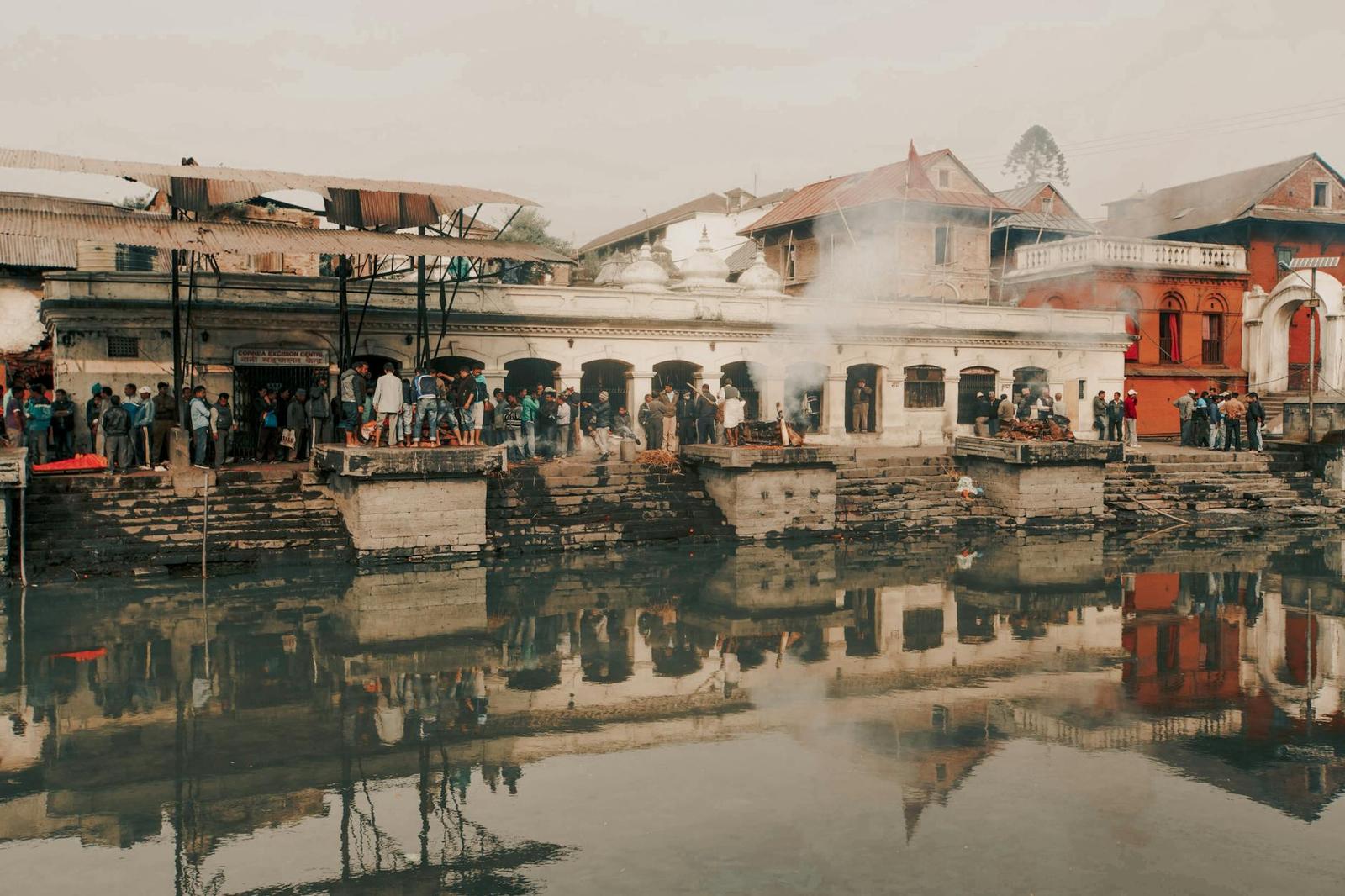
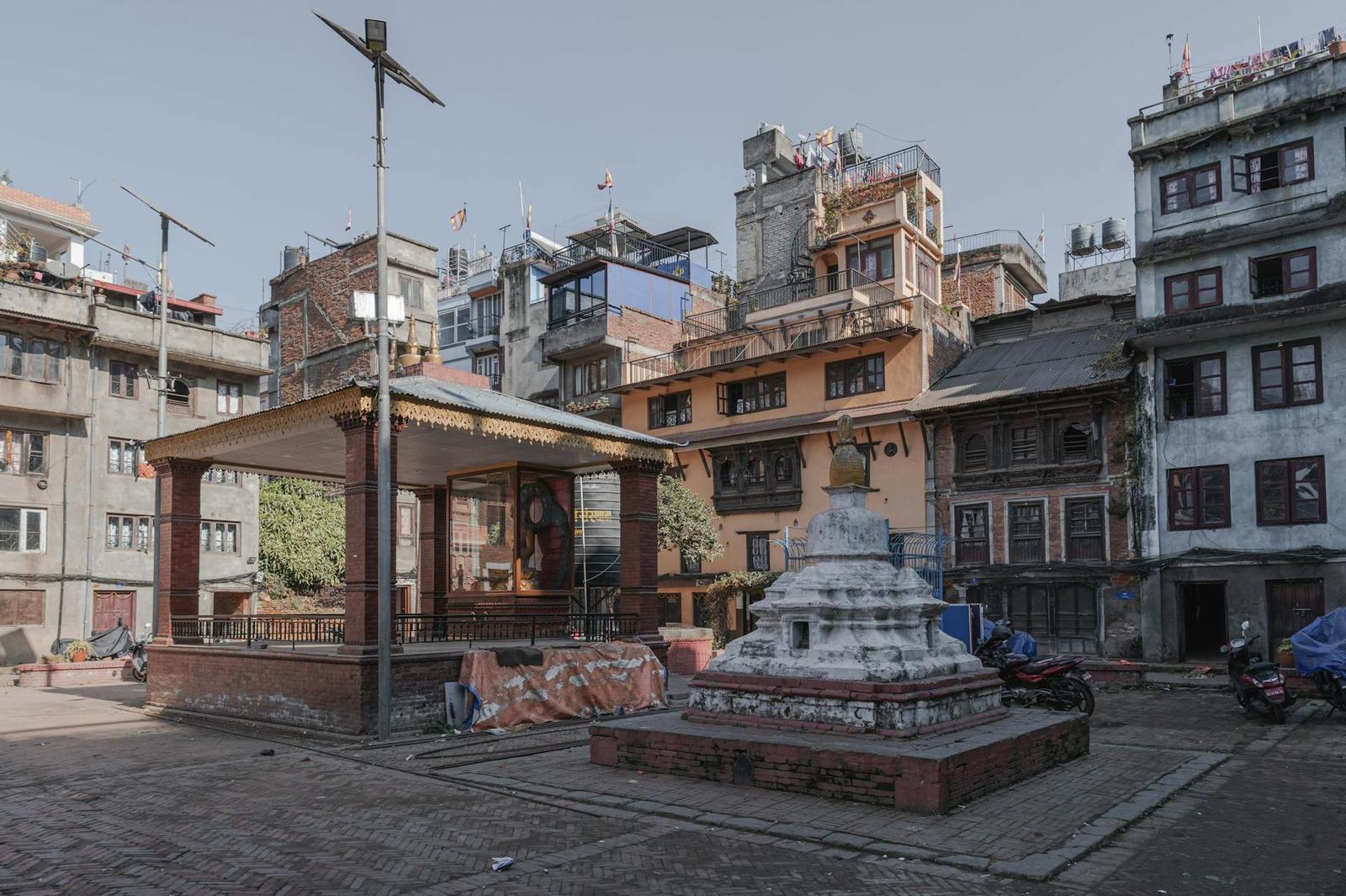
After a relaxed breakfast, embark on a full day sightseeing tour of this ancient and cultural epicentre of Nepal. We start with visit to Pashupatinath Temple, a sacred Hindu temple dedicated to Lord Shiva located on the banks of the Bagmati. This temple serves as the seat of the national deity. This temple complex is a UNESCO World Heritage Sites with sprawling collection of temples, ashrams, images and inscriptions raised over the centuries along the banks of the sacred Bagmati river. We then continue to the holiest shrine for the Buddhist culture in Nepal, Bouddhanath, with its large stupa, this is the place where all devout Buddhists come for a pilgrimage. After completion of these two spots, break for Lunch. We then continue to Patan, also known as Lalitpur separated from Kathmandu only by the Bagmati River and is the second largest town in the valley. Lalitpur is fragmented from other cities due to its substantive architectural ancient masterpieces. Patan's central Durbar Square is absolutely packed with temples: It’s an architectural centre point Within the city also lies the Tibetan refugee centre, home to most of the valley's Tibetan population. For those looking to bring home a fine Tibetan carpet, this is the place to shop. You will then go to Swayambhunath the golden spire of the 5th-century Swayambhu stupa is adorned with a colourful fluttering of prayer flags; it crowns a hill overlooking the Kathmandu Valley and offers fantastic views over the city of Kathmandu. By later afternoon we return to hotel. Dinner & Overnight stay.
Day 3
Kathmandu to Pokhara
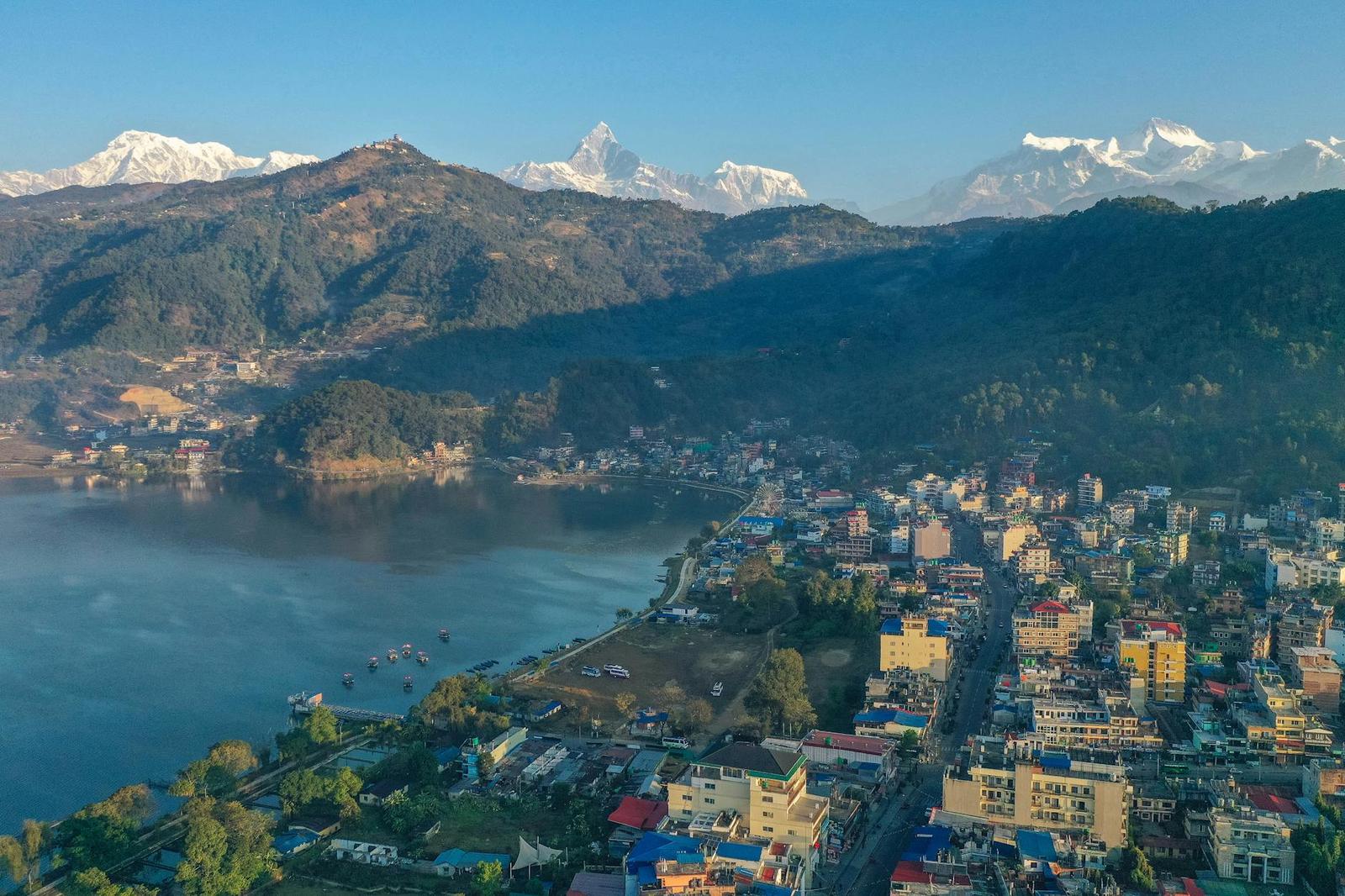
After breakfast, check-out and drive to Pokhara. Pokhara is 210 kms from Kathmandu and is scenic 7 hours’ drive approx. On the way you have an option at an extra cost of doing the river rafting (Inr 3000 nett per person) or visit the Manakamna Temple “Goddess of Fulfilling Wishes” where you are taken by a cable ride (INR 670 PER PERSON) of 10 mins. By late afternoon we reach Pokhara which is among the high-altitude cities of Nepal and the base for many acclaimed treks towards ‘Annapurna Mountain range’. Pokhara is famous for its lakeside, a boating paradise bordered by dreamy cafes, pubs, restaurants, and charming shops, making it a delightful town. From Pokhara town in good weather there are splendid views right from the hotel. Check-in to the hotel. Dinner & overnight at hotel.
Day 4
Pokhara & Sarangkot Sightseeing
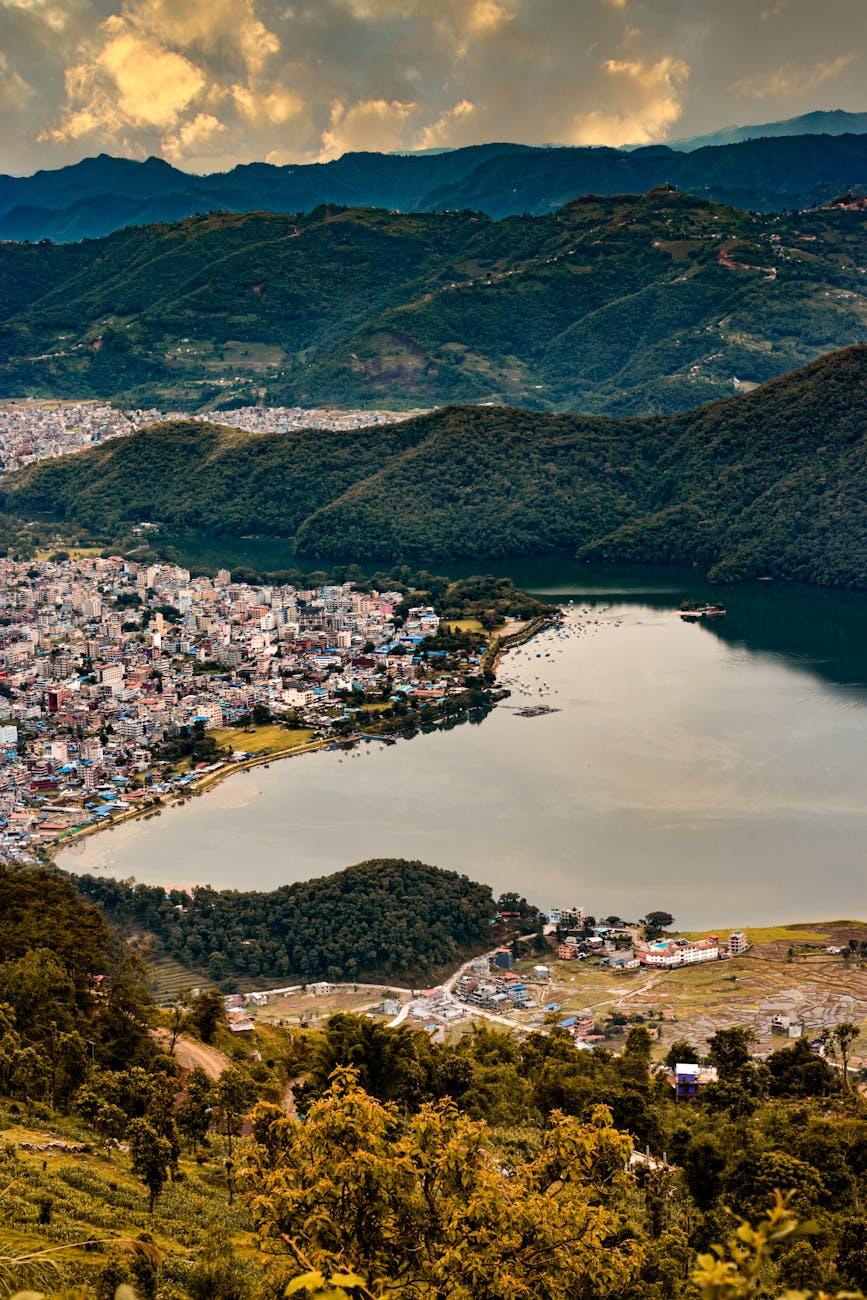
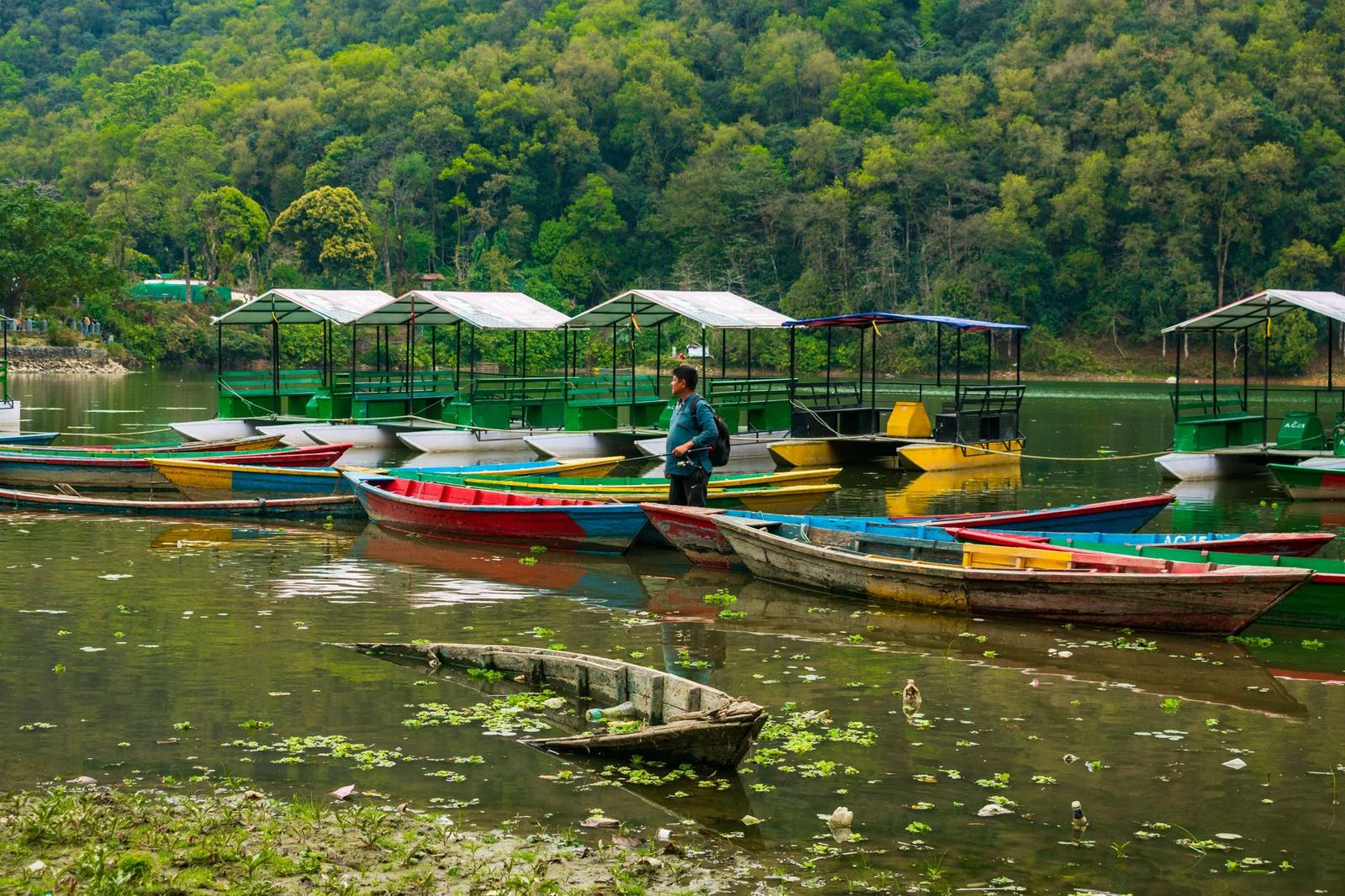
We start early morning (5 AM) as we will go for an excursion trip to Sarangkot for sunrise view and. From Sarangkot, on the northern direction we can see Dhaulagiri in the far west. Annapurna range is visible when the weather is clear on the same side. On the southern direction the village overlooks the city of Pokhara and its lake on the north-western outskirts of the city. Sarangkot is the most popular tourist destination from where the tourist can enjoy the great view of the Pokhara Valley and the magnificent view of the mountains. Sarangkot is only 13 kms from Lake Side, Pokhara. Sarangkot is the highest viewpoint for a sunrise, and it is just 1592m high. Sarangkot is cooler than Pokhara. Sarangkot can be reached easily by 45 to 60 minutes by a car ride to the top from Pokhara. (The above sightseeing is for a maximum of 03 hours after the vehicle reports at the hotel) After sunrise experience, return to hotel for breakfast. Later after freshening up depart for sightseeing tour. You will visit Bindebasini Temple. This is one of the oldest temples in Pokhara was a part of Kaski Kingdom, the main deity of the temple, Goddess Durga, was brought from India. Apart from the peace and tranquillity that can be felt in this region, the premises of the temple offers a good view of the Himalaya on a clear day. The temple is around the bazaar; hence a journey of the old bazaar can be combined with a visit to the temple. We then proceed for sightseeing to Devi’s Fall, also known as Patale Chango is an awesome waterfall lying 2 km southwest of Pokhara. During summer and rainy season, the waterfall takes its real form, with gushing water splashing and making its way through the rocks. Just opposite of Devi’s fall on the other side of the road, there is Gupteshwar Cave. This cave is popular for the different natural forms made from limestone deposits. Photography is strictly prohibited inside the cave. Overnight at hotel. (The above sightseeing is for a maximum of 03 hours after the vehicle reports at the hotel) Other Optional Sightseeing (on extra cost). Boating in Phewa lake, Tal Barahi Temple, a 2-story pagoda, sits on an island in the lake. On the eastern shore, the Lakeside district has yoga centres and restaurants. In the city’s south, the International Mountain Museum has exhibits on the history of mountaineering and the people of the Himalayas. By evening back to hotel, dinner and overnight stay.
Day 5
Pokhara to Kathmandu
After breakfast, Drive back to Kathmandu. It is a long scenic drive as cross many small Himalayan villages and countryside. Enroute you may like to stop and experience some street side shops for street food and local farm produces. On arrival in Kathmandu, check-in to hotel. Relax and unwind after long drive. Evening you may like to explore local markets or maybe you can try hands on famous casinos. (Shopping and Casinos by own, private transport if needed will be on extra cost). Dinner & overnight at hotel.
Day 6
Kathmandu – Drop to Airport
Enjoy a relaxed breakfast and checkout; later as per your flight time you will be transferred to the airport in time to board your flight for onward journey.
Where You'll Stay
Hand-Picked Hotels
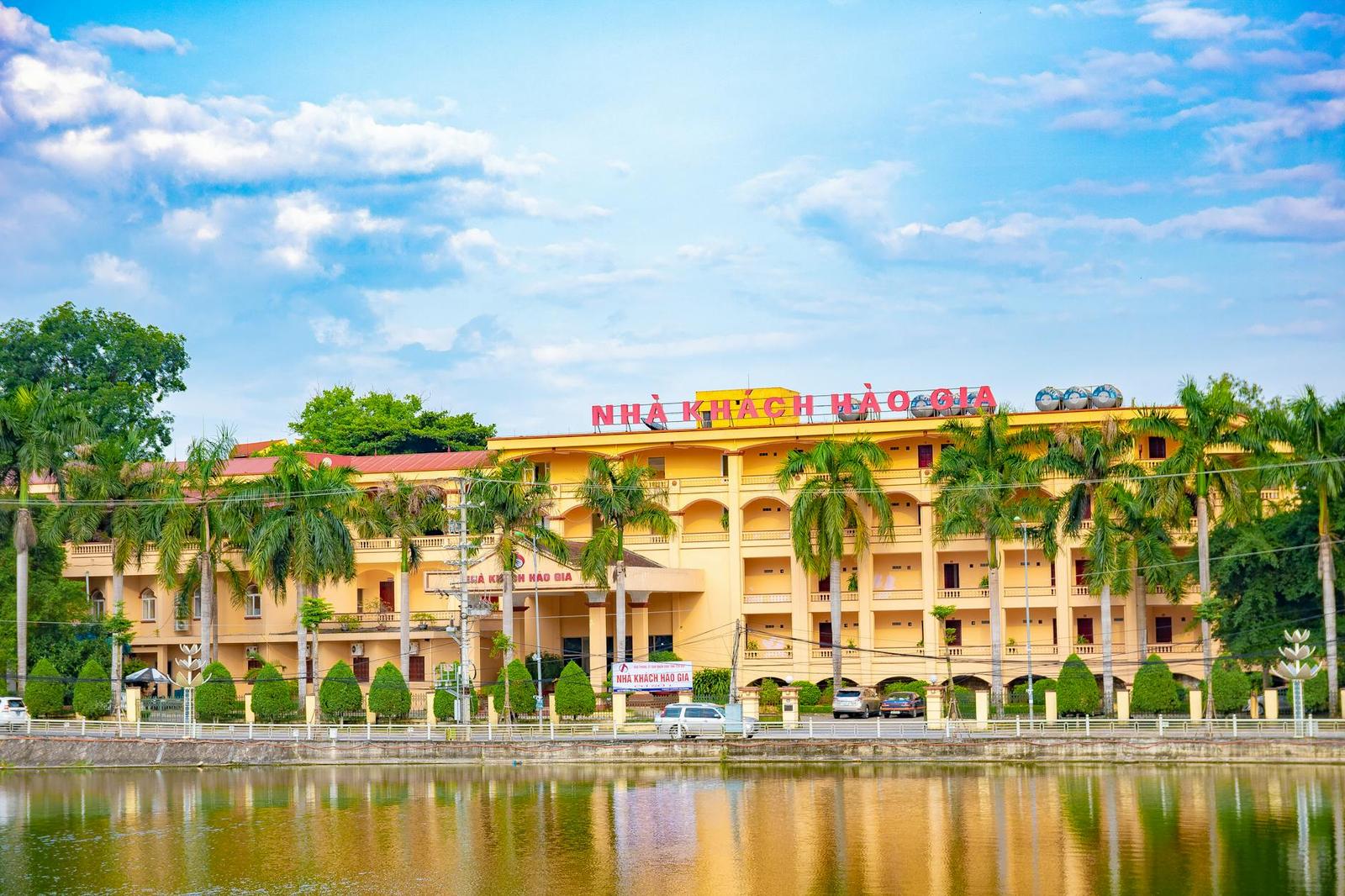
Kathm Andu
Tibet
or Mahabir Palace, Marshyangdi
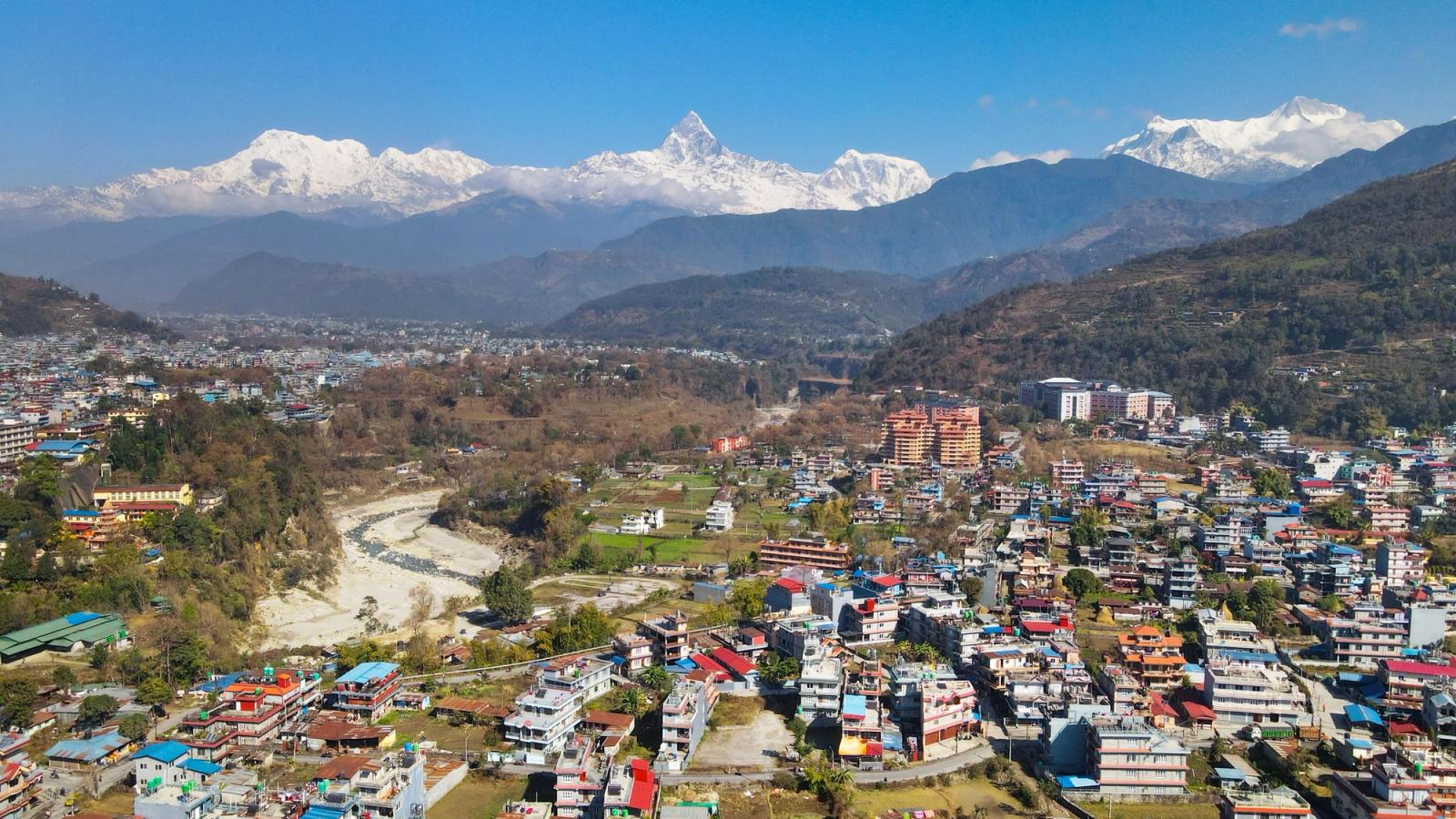
Pokhara
Pokhara Batika
or Tuki Resort
Kathm Andu
Tibet
or Mahabir Palace, Marshyangdi
Pokhara
Pokhara Batika
or Tuki Resort
Honestly
Things most travel sites won't tell you.
On-the-ground details your designer wishes every guest knew before they landed.
Things to Look Out For
Altitude shapes the day, not the calendar
Kathmandu (1,400 m) and Pokhara (820 m) are gentle on lungs; the day-trip to Sarangkot at 1,592 m is the only mild bump on this itinerary. If you tack on Everest View Point or Nagarkot, build a buffer day. Even a 2,000 m morning before a 3,000 m afternoon shows up by evening.
Chitwan is the rhino park, not the tiger park
Tiger numbers in Chitwan have recovered but sightings remain rare. Under 10% of jeep drives. What you will see is the one-horned rhinoceros, often within a half-hour of leaving the lodge. Book the dawn jeep AND the canoe glide; the river runs different animals than the grasslands.
Pokhara is the trekking gateway you do not have to trek from
Most of the lodges face the Annapurna range across Phewa Lake. On a clear morning, Machapuchare lifts over the water by 6am. You can spend three days here and never set boot to trail, and still feel like you have been somewhere different.
- №1
Altitude shapes the day, not the calendar
Kathmandu (1,400 m) and Pokhara (820 m) are gentle on lungs; the day-trip to Sarangkot at 1,592 m is the only mild bump on this itinerary. If you tack on Everest View Point or Nagarkot, build a buffer day. Even a 2,000 m morning before a 3,000 m afternoon shows up by evening.
- №2
Chitwan is the rhino park, not the tiger park
Tiger numbers in Chitwan have recovered but sightings remain rare. Under 10% of jeep drives. What you will see is the one-horned rhinoceros, often within a half-hour of leaving the lodge. Book the dawn jeep AND the canoe glide; the river runs different animals than the grasslands.
- №3
Pokhara is the trekking gateway you do not have to trek from
Most of the lodges face the Annapurna range across Phewa Lake. On a clear morning, Machapuchare lifts over the water by 6am. You can spend three days here and never set boot to trail, and still feel like you have been somewhere different.
The Details
What's Included
Included
- 03 nights accommodation in Kathmandu with Breakfast
- 02 nights accommodation in Pokhara with Breakfast
- 02 airport transfers by an A/c vehicle exclusively
- Sightseeing as per the itinerary by AC vehicle exclusively (Point to Point Basis)
- Transportation between Kathmandu / Pokhara / Kathmandu by an A/c vehicle (Point to Point Basis)
Not Included
- 5% GST applicable.
- Air/train fare
- Unspecified meals
Plan Your Timing
When to Go
Nepal runs on two clear windows. Spring (March–May) for rhododendron-lit foothills and clearer skies than monsoon. Autumn (October–November) for the post-monsoon view: every Himalayan peak in razor focus, festivals back to back. The Winters 25-26 package sits in the December–February shoulder. Cold mornings, no cloud, and the lowest rates of the year.
December–February daytime in Kathmandu is 18–20°C; nights drop to 3–5°C. Chitwan stays mild (10–25°C). The Annapurna view from Pokhara is sharpest October–March.
Your Memoir
Here's how you'll remember it.


Vol. 3, A Tibro memoir, printed on archival paper, shipped after you return.
Enquire
Start the conversation.
Tell us your dates and preferences. A Tibro travel designer will respond within 24 hours.
Other Journeys